Most claims get patched together after the fact — an inspection here, missing items there, supplements, re-inspections, delays. HomFax™ builds the loss package right the first time: a forensic-level inspection, SHA-256 verified photographic evidence, a comprehensive itemized restoration estimate, and the building-code research to support it — the complete picture, before the first formal review.
Document the Damage. Establish the Facts. Get It Right the First Time.
Illustrative figures. On a real claim, every disputed dollar carries its proof:
the photo, the measurement, the code citation, and the exhibit's fingerprint —
sha256: 7e73fddbf95b…
Before a single number is argued, the loss is captured from the air, on the roof, and inside the walls — and every frame is sealed with a digital fingerprint the moment it's taken.
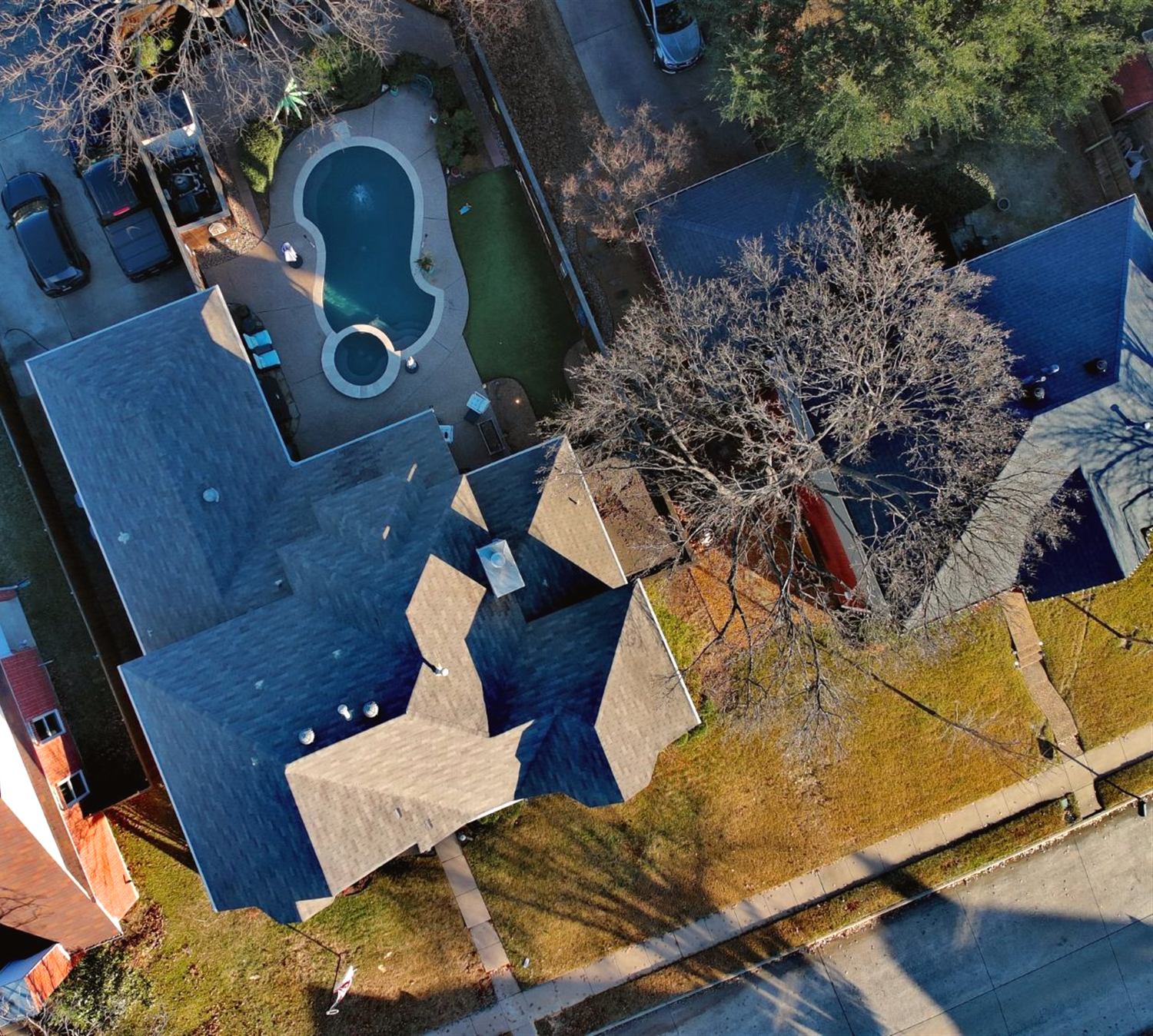
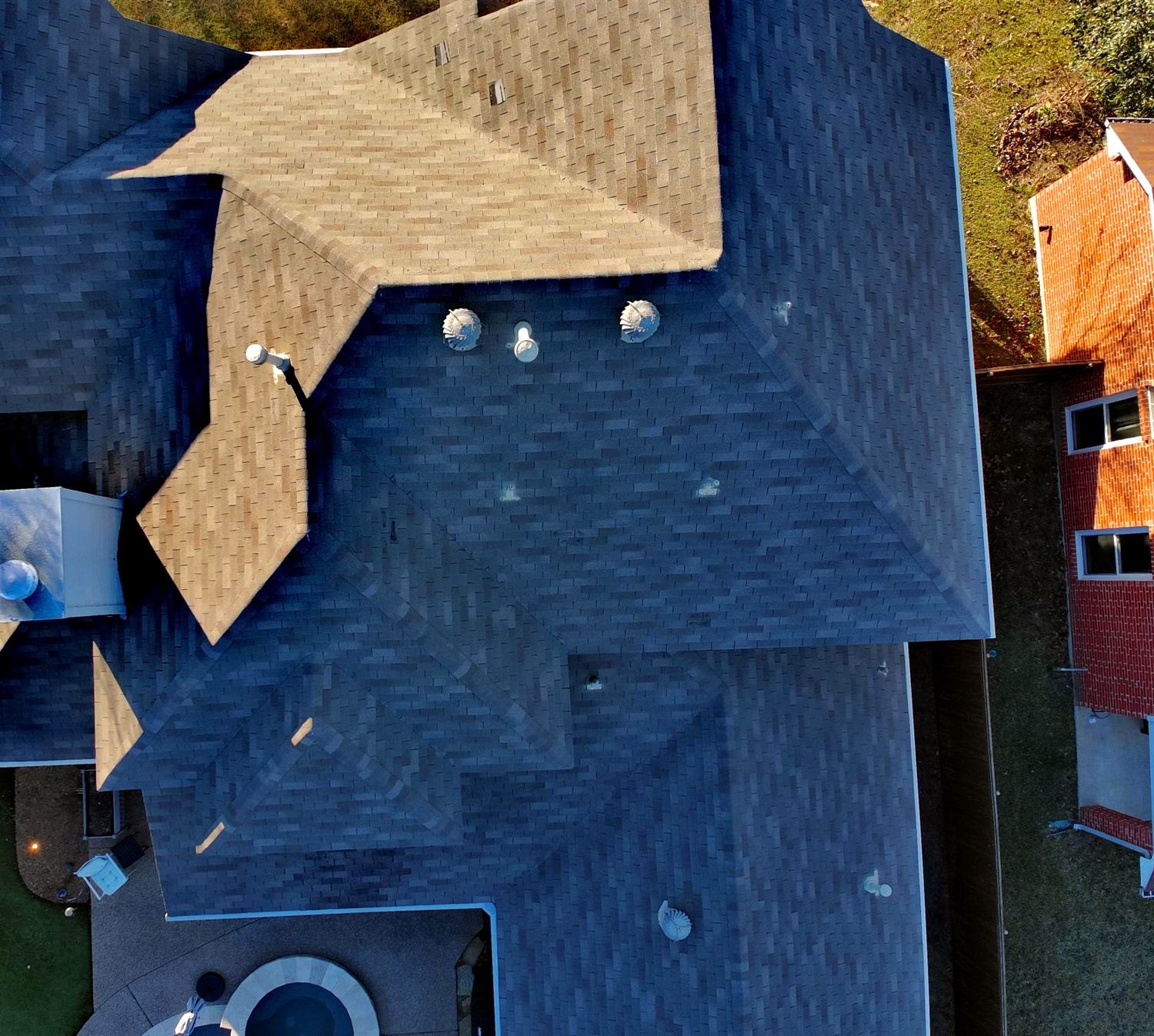
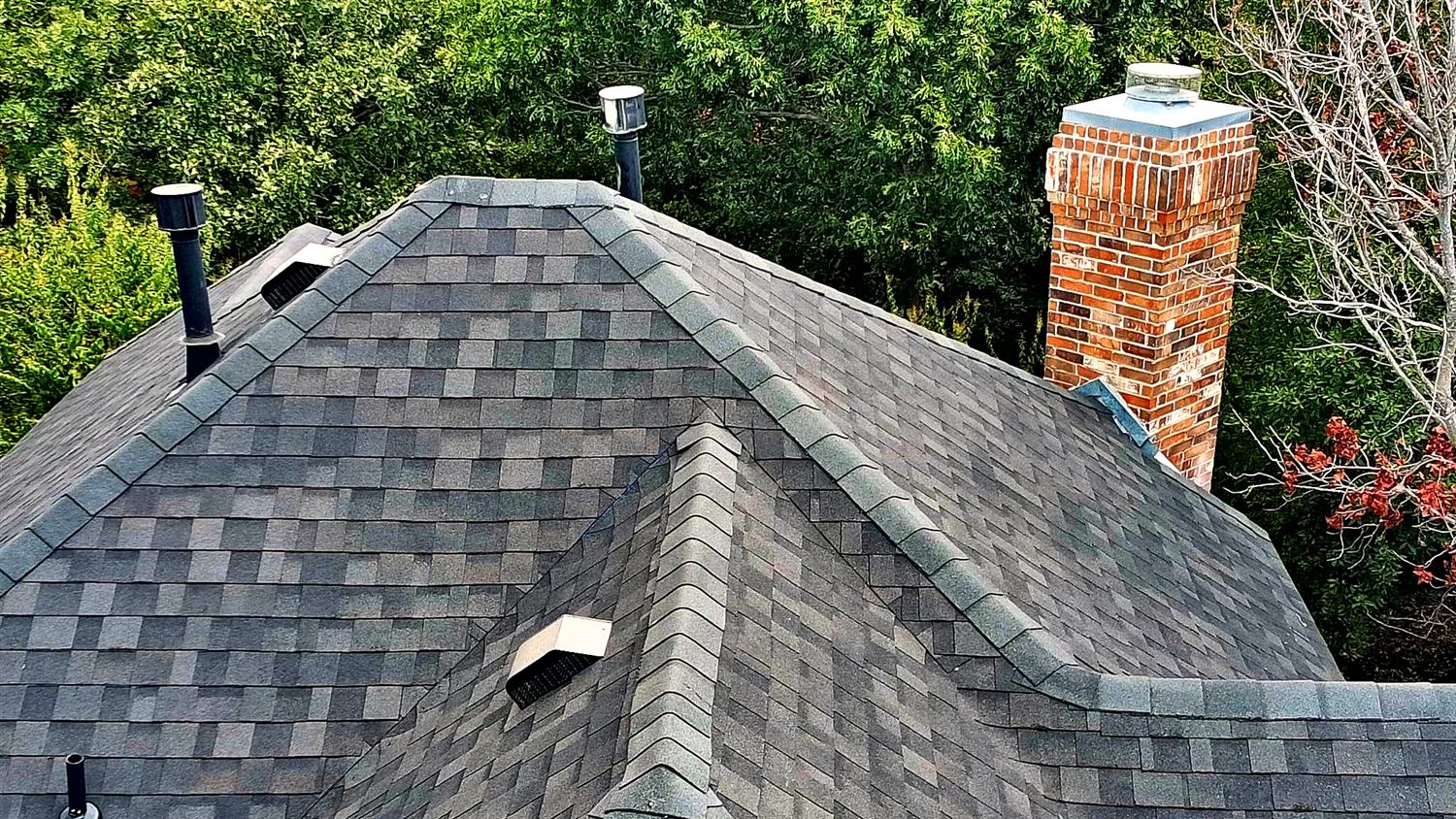
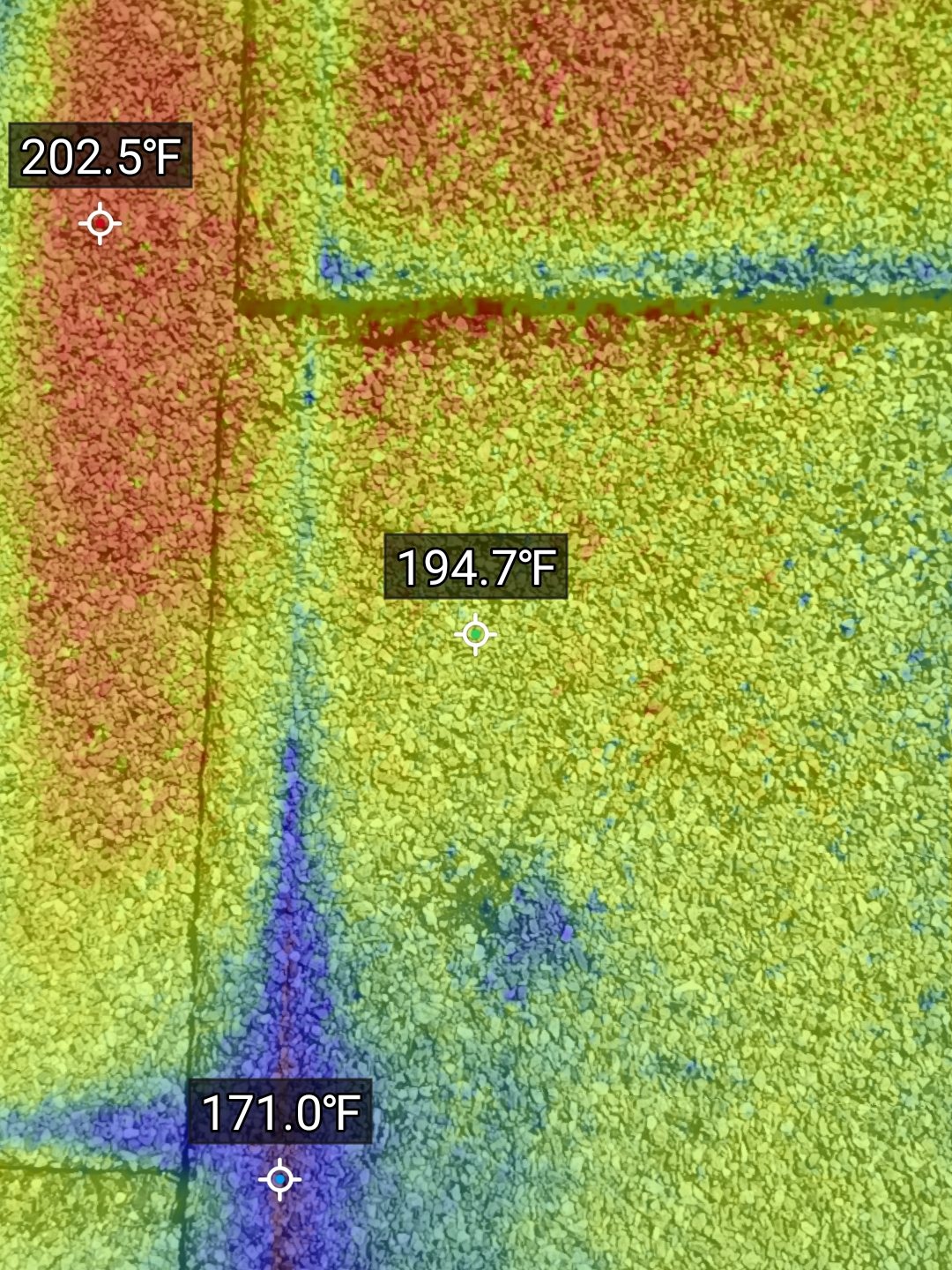
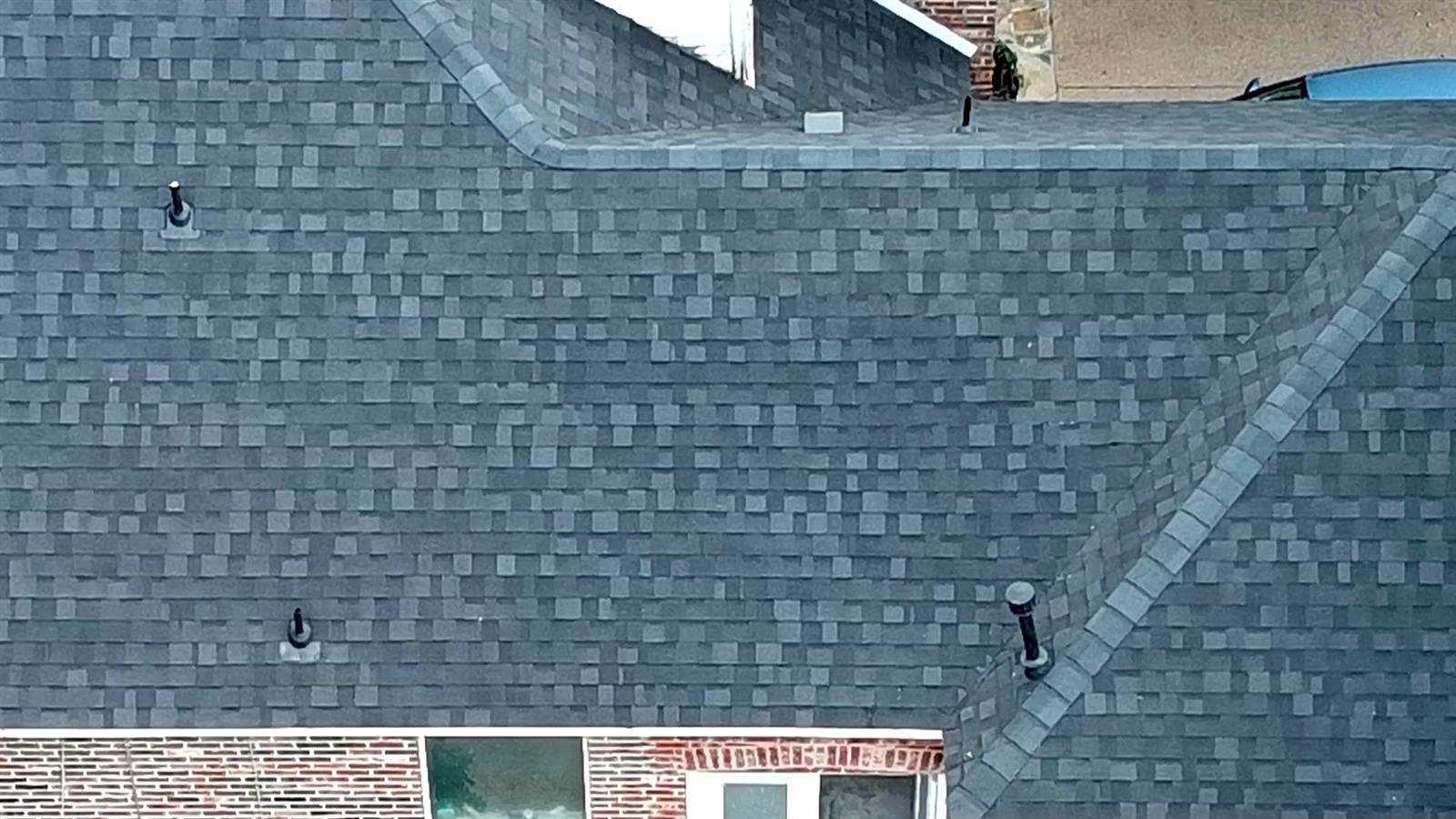
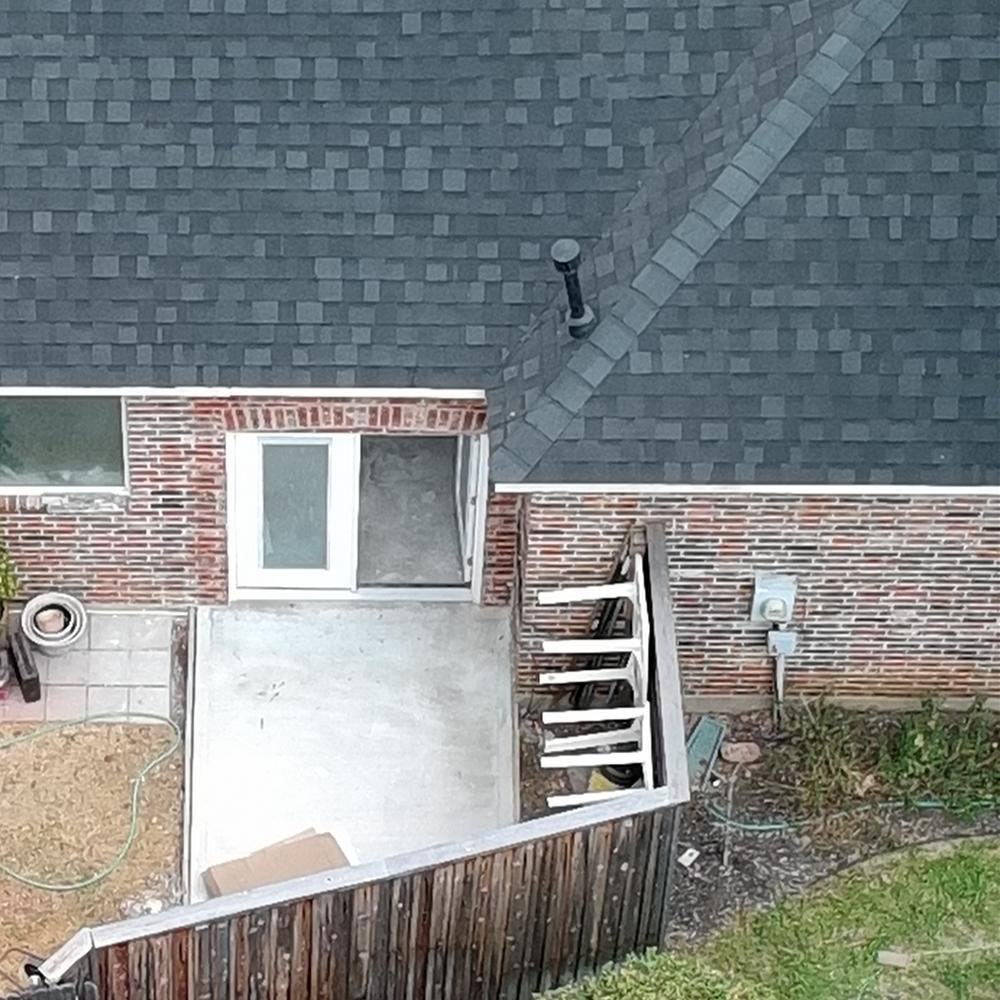
Licensed drone flights map every slope, ridge, and penetration from above — high-resolution and thermal — so nothing on the roof goes undocumented, and nobody has to guess from the ground.
HOMFAX™ FORENSIC INSPECTION
STEEP-SLOPE DOCUMENTATION
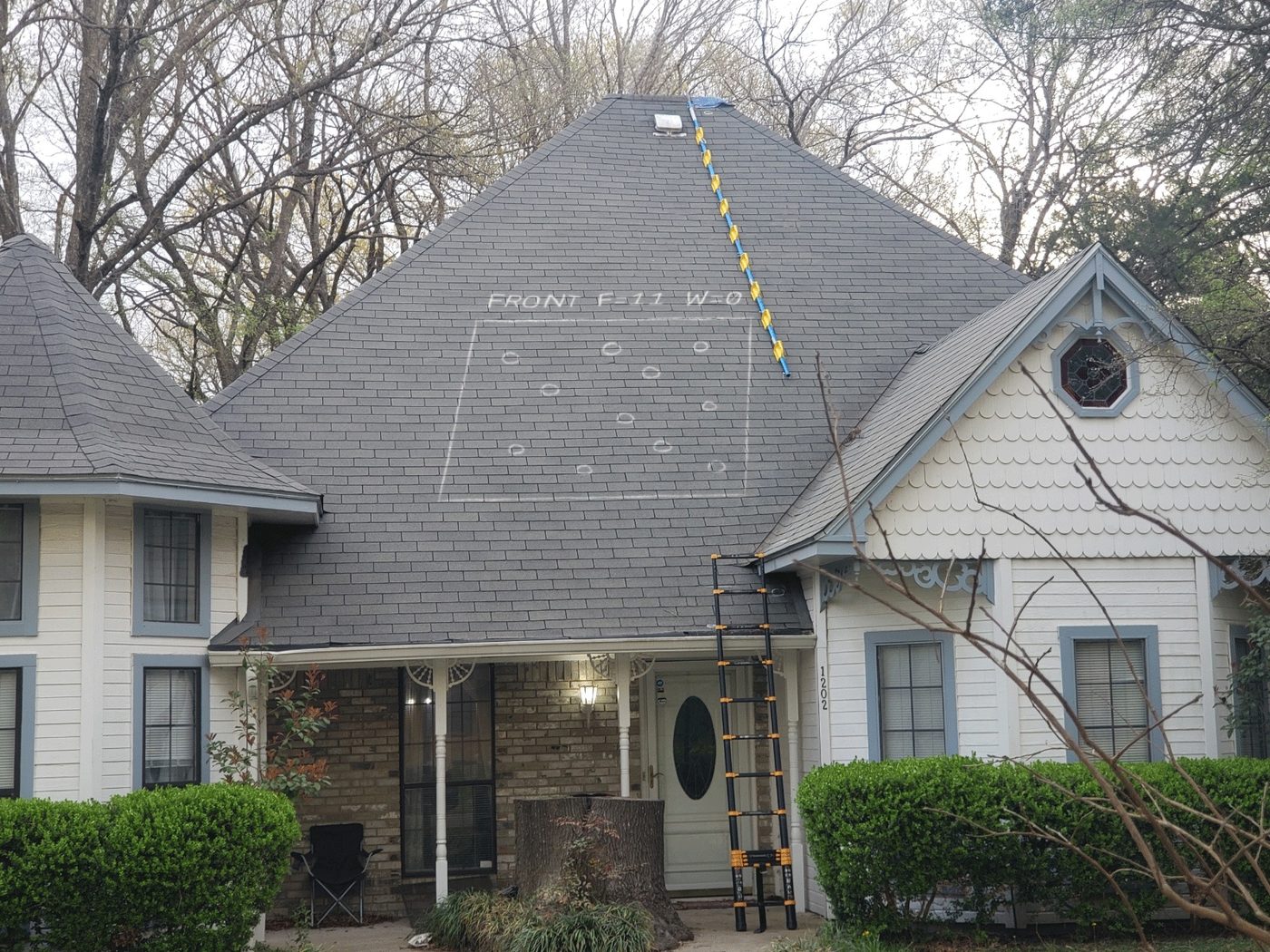
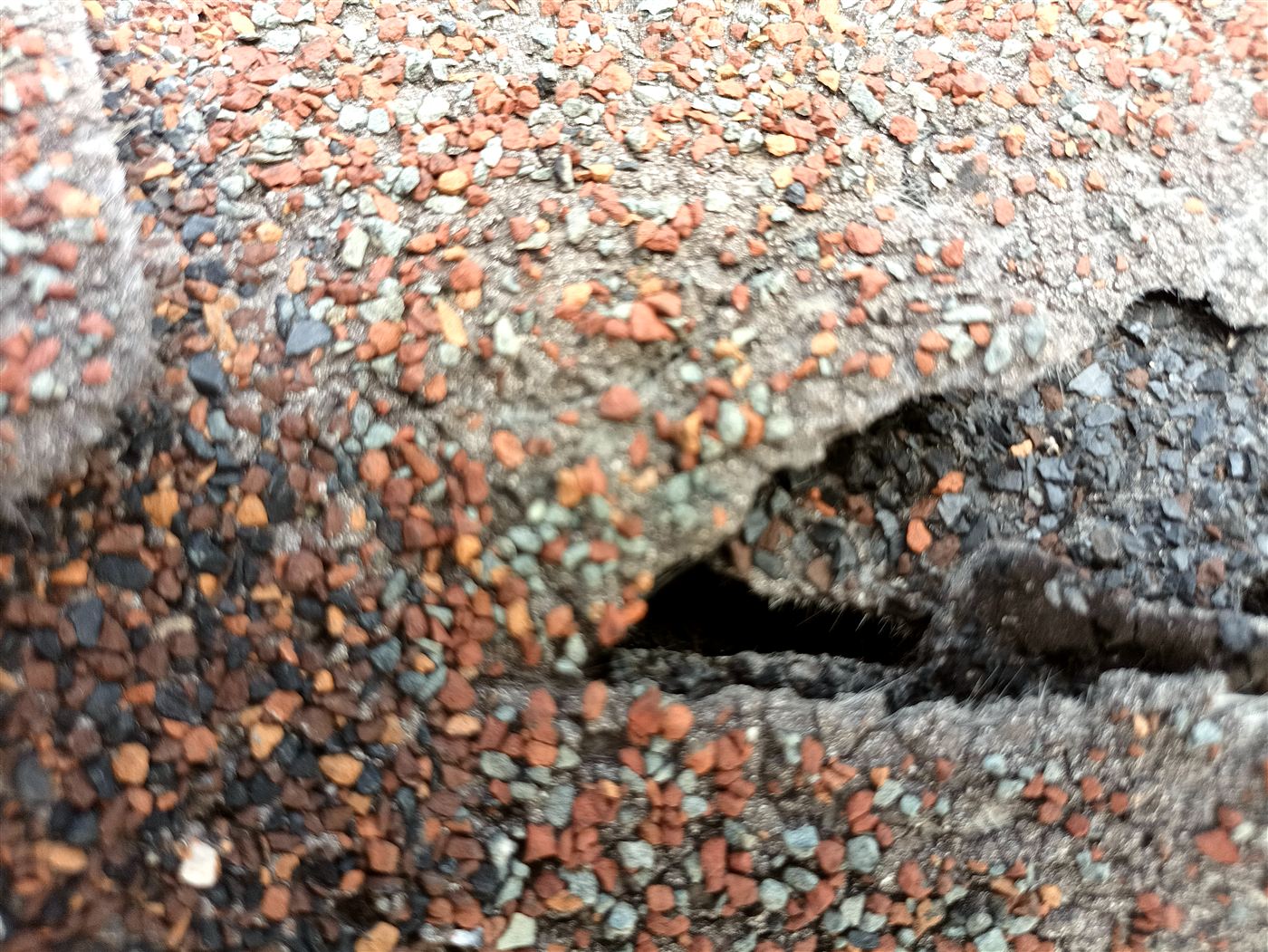
Not a drive-by estimate: a HomFax inspector at the ridge of a steep roof, where every chalk-circled hail strike is measured, photographed, and fingerprinted on the spot.
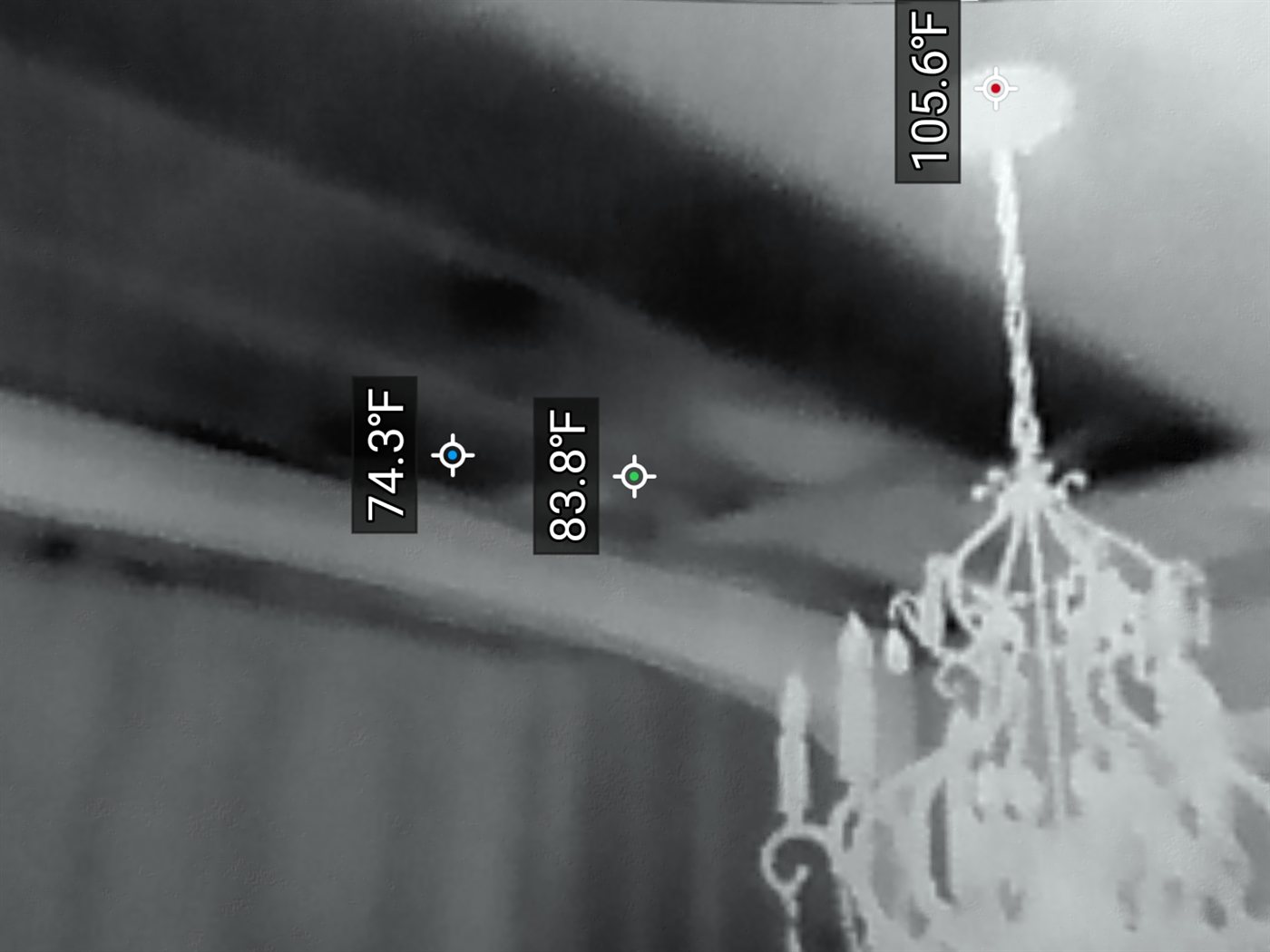
Water inside a wall can soak for weeks before the first stain appears. Our thermal imaging finds it while it's still invisible — before it becomes mold, rot, and a denied claim.
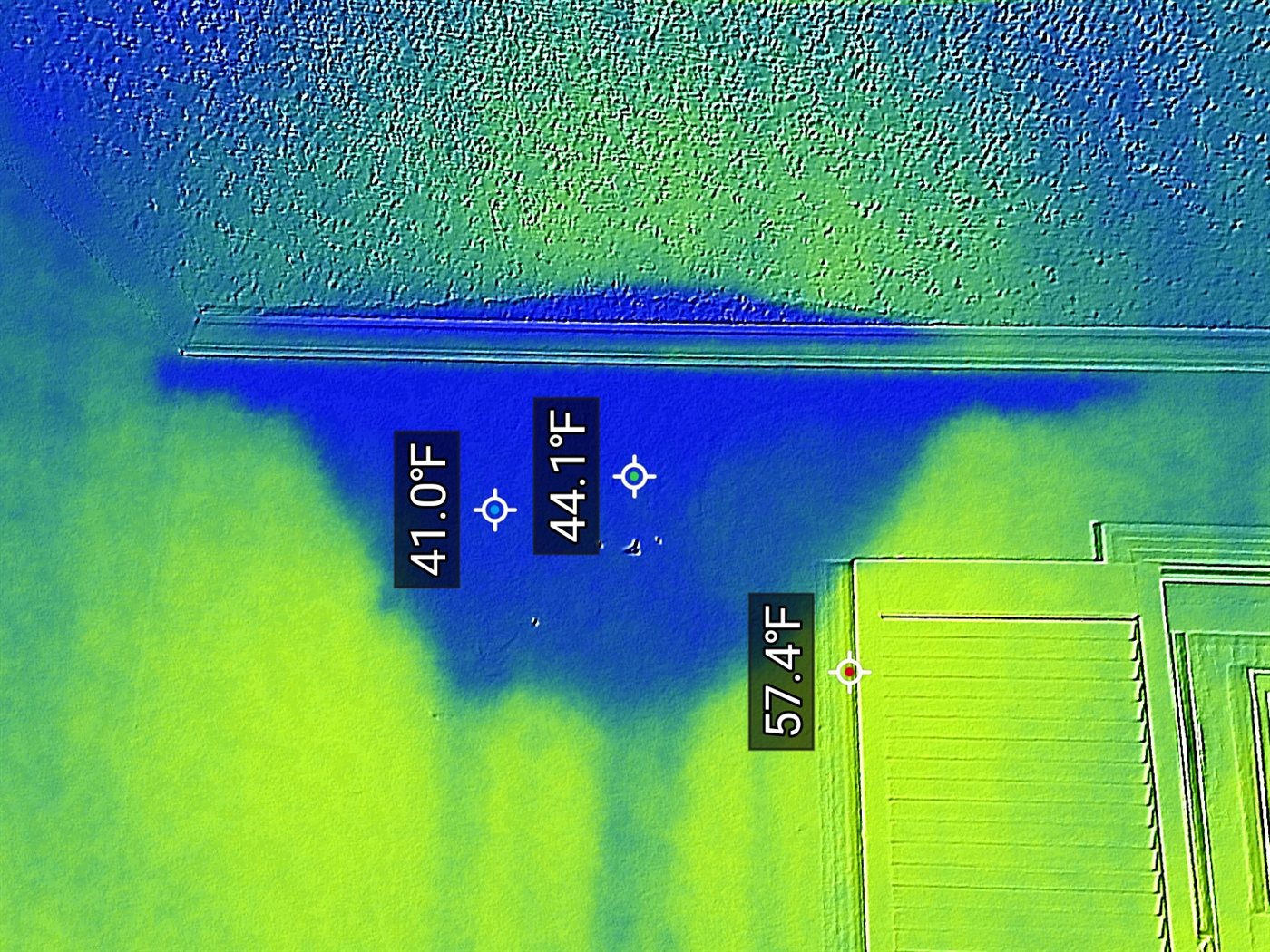
Honesty note: a thermal image shows temperature, not water. Every anomaly we flag is verified with moisture readings before it enters your file — that's the industry standard (ASTM C1153), and it's why our findings hold up.
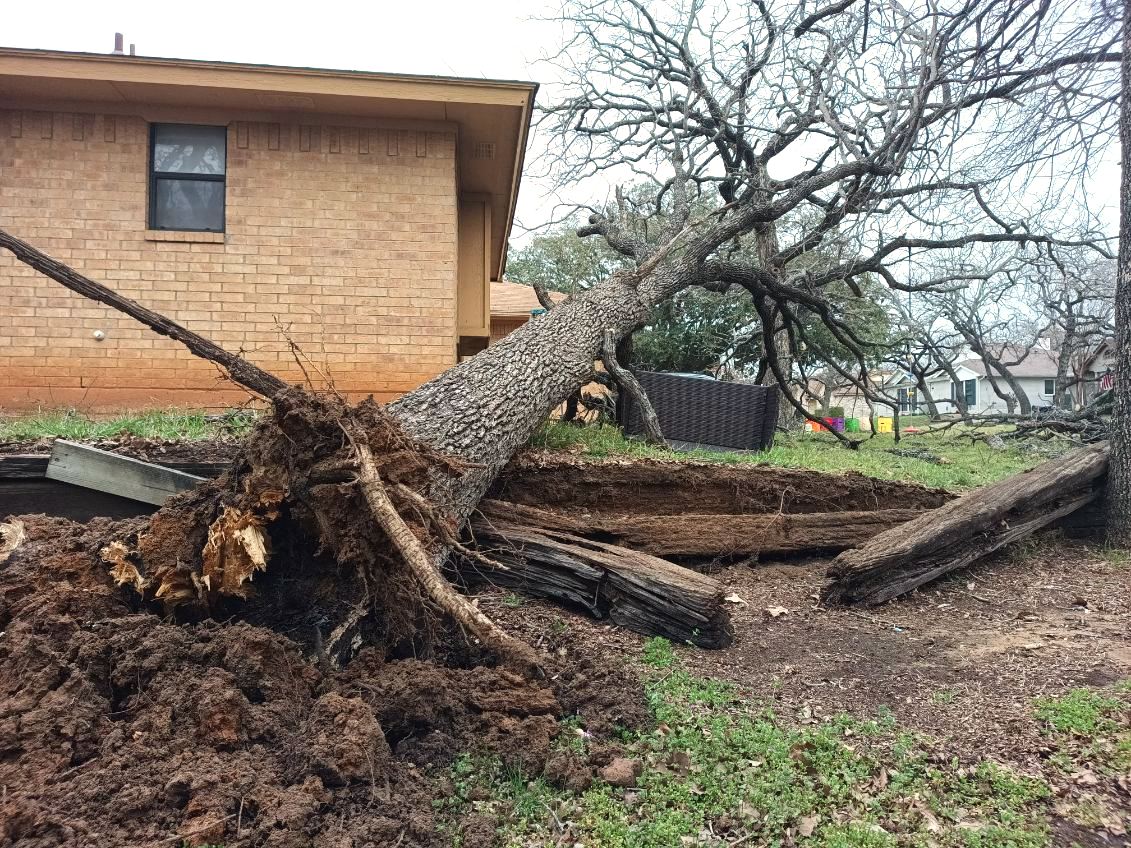
Storm emergencies get same-day deployment. We document the loss exactly as the storm left it — before tarps, chainsaws, and cleanup crews change the scene — and emergency protection goes on through HomFax licensed and approved contractors.
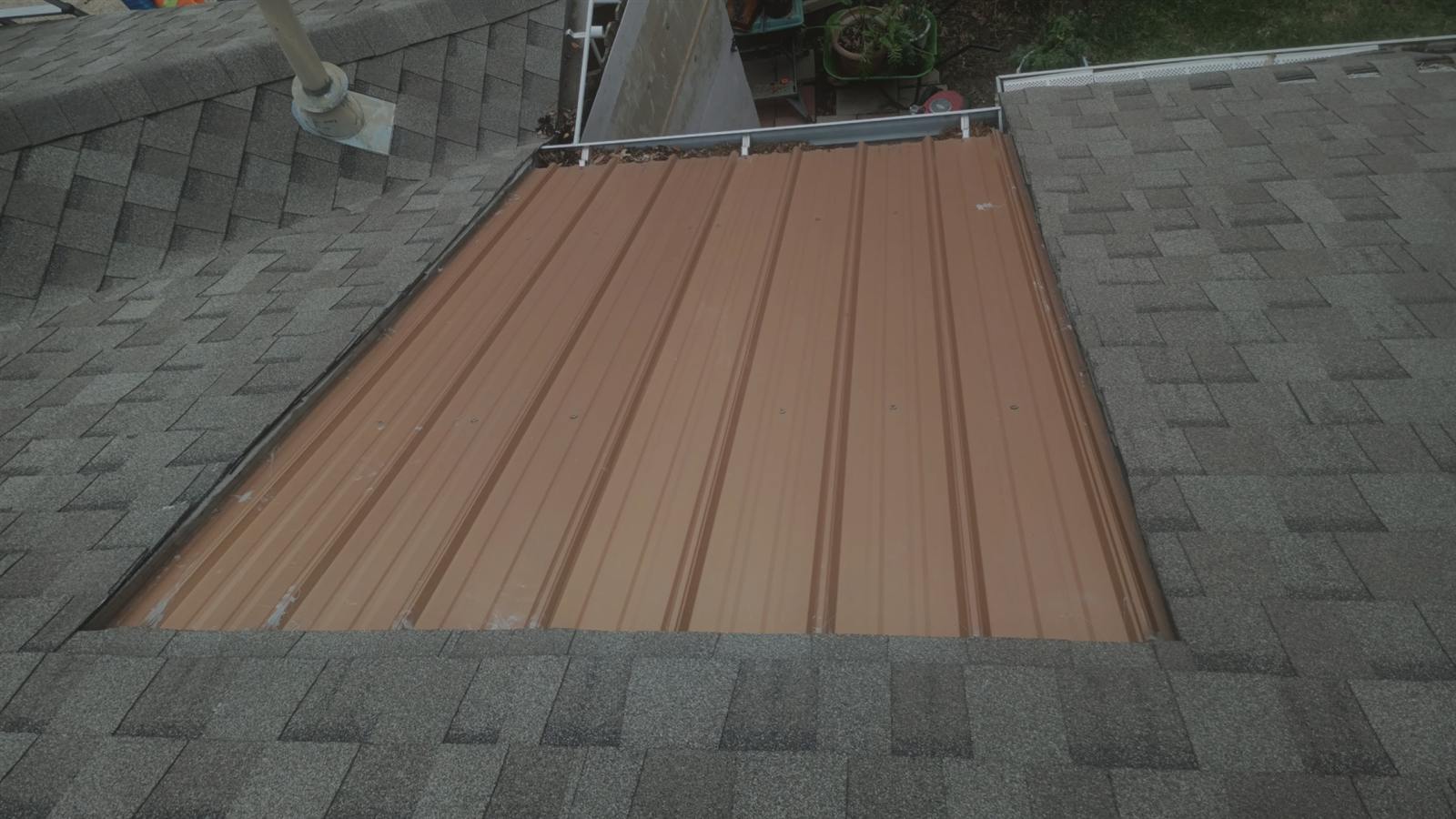
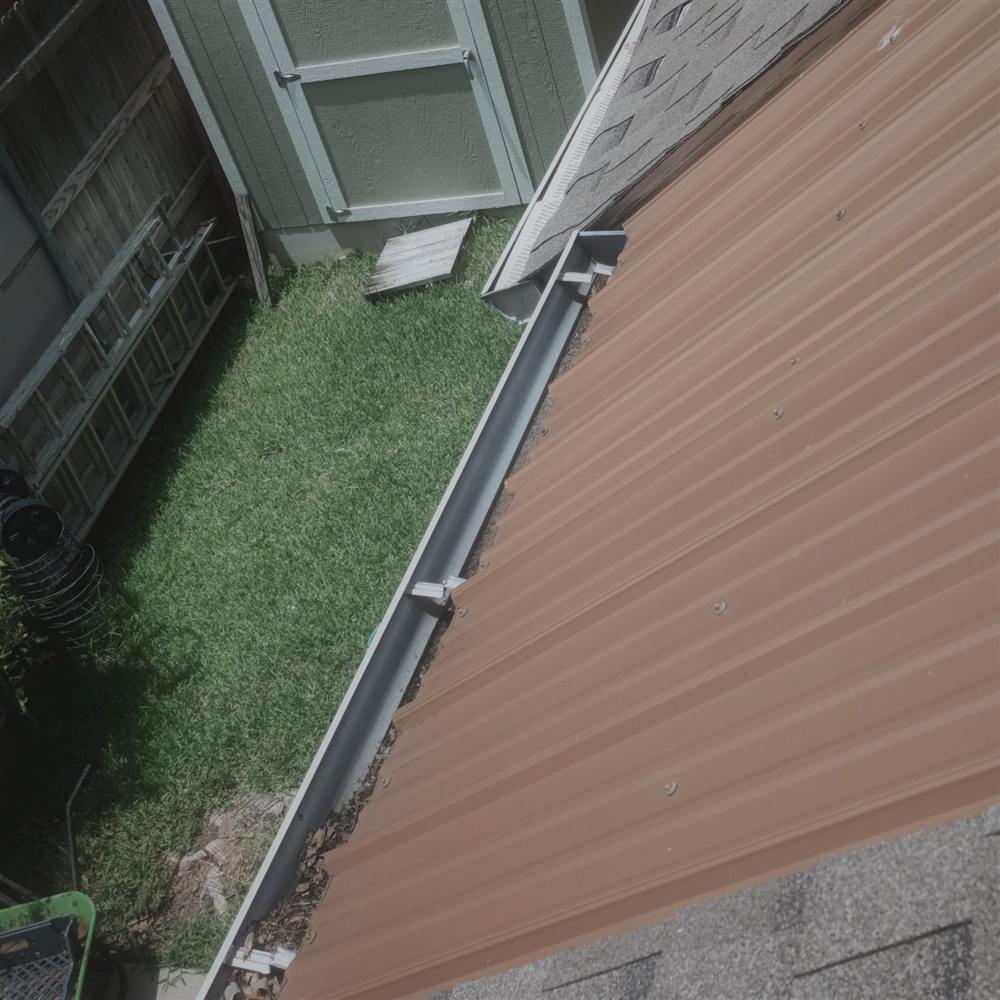
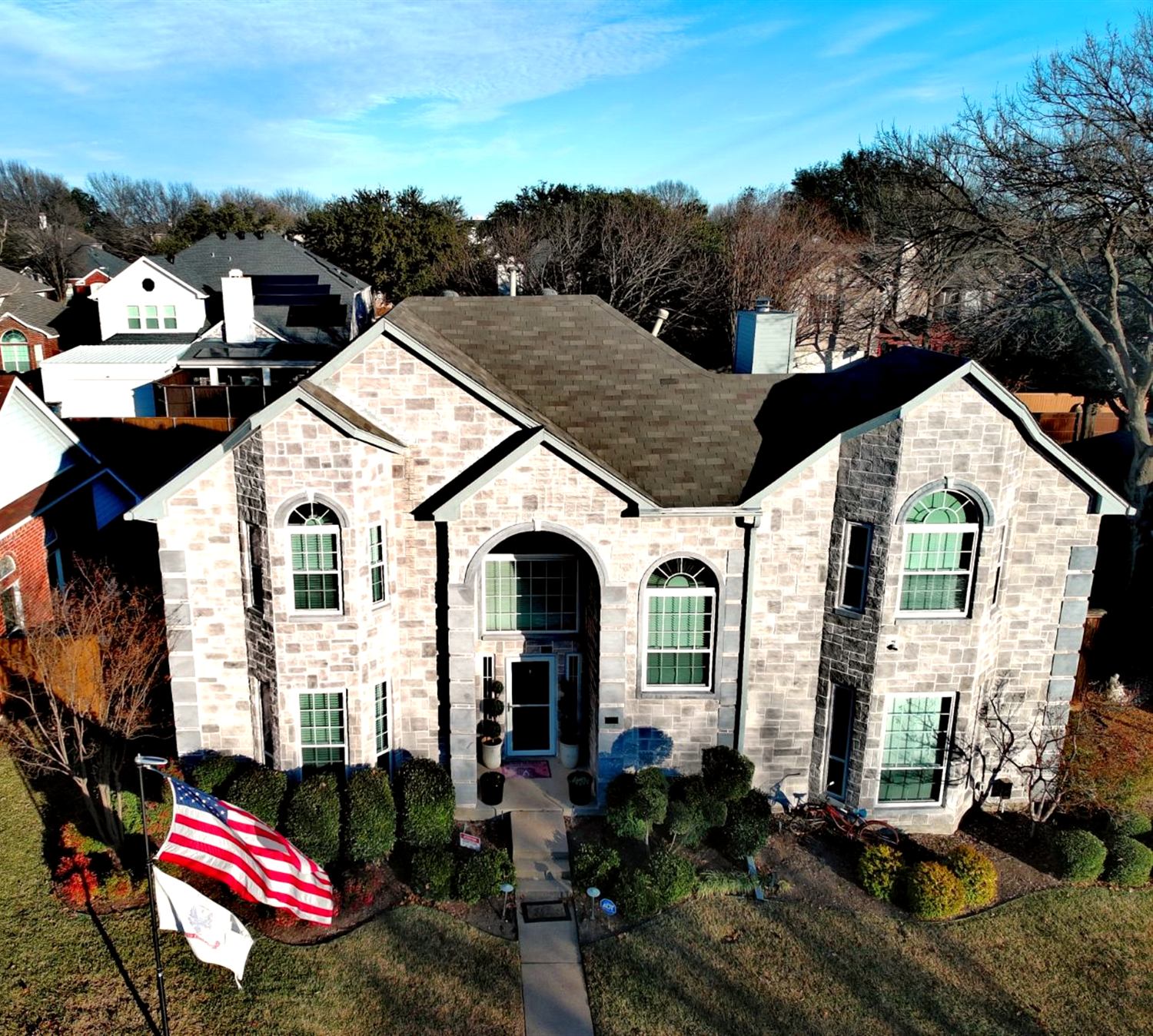
An earlier repair had covered this section of the roof in mismatched metal panels. HomFax documented the full loss; then The Ambassador — a HomFax™ licensed and approved contractor — rebuilt it as one seamless, Class 4 impact-resistant, reinforced roofing system that matches the entire roof. Slide to compare.
Same home. Photos lightly color-corrected; no structural changes to either image. A HomFax™ documented project — work performed by The Ambassador, a HomFax™ licensed and approved contractor.
Most people don't search for a "claim specialist." They have one of these problems.
My claim was denied.
A denial is the carrier's position — not the end of the road. We review the damage findings and the denial's stated basis independently, against the evidence and your policy's actual wording.
Have the denial reviewed →The check doesn't cover the repairs.
We compare the carrier's estimate against the documented damage line by line — what's missing, what's underpriced, what the building code requires — and put the gap in dollars, with proof attached to each line.
Compare the estimates →My claim is just… stuck.
Texas law puts deadlines on your carrier — to acknowledge, to decide, and to pay (Tex. Ins. Code ch. 542). We track every clock on your claim and put passed deadlines in writing.
Check the deadlines →It's a big, complicated loss.
Structure, contents, extra living expenses — large losses fail on documentation. Ours is inventoried, hash-sealed at capture, and assembled into an exhibit packet a carrier, appraiser, or court can verify.
Get the loss documented →This is my first claim and I'm lost.
You'll see the whole process as twelve plain-language steps, with the next step always visible — and every step proven by the record, not by somebody's word.
Talk it through →I just want to know where I stand.
Start with the facts: your property's storm history from federal weather archives, its documented condition, and an honest read on whether the claim is worth pursuing. Sometimes the answer is "you're fine."
Get the facts first →Every loop costs weeks — and every gap in the record becomes a reason to question the rest.
The goal: minimize preventable omissions, re-inspections and supplements. (Hidden damage and policy questions can still arise — honesty is part of the method.)
Here's the problem with every claim: it turns into your word against the insurance company's. The fix isn't a louder argument — it's a record the other side can check for themselves.
| Just a contractor | Just a public adjuster | HomFax™ forensic documentation | |
|---|---|---|---|
| Who do they work for? | Themselves — they get paid when you buy a roof | You — paid a share of the settlement | You — and the record works for everyone, because anyone can verify it |
| What do they hand the carrier? | A bid and some photos | An estimate and a demand | Sealed evidence: every photo fingerprinted at capture, every dollar tied to a photo, a measurement, or a building-code citation |
| Can the insurance company verify it? | No — they re-inspect and argue | Partly — it's still opinion vs. opinion | Yes. They can recompute every fingerprint themselves. Checkable beats arguable. |
| The storm itself? | "There was hail that day" | Maybe a weather report | Radar-verified storm history bound to your exact address — date of loss rests on meteorology, not memory |
| Deadlines on the carrier? | Doesn't track them | Tracks them by hand | Every Texas prompt-pay clock computed automatically, with the statute named — passed deadlines go in writing |
| Conflicts of interest? | Can't adjust the claim he's repairing — Texas law | Can't profit from the repair — Texas law | Roles separated by design, with conflict checks built into the platform itself |
| What's left when it's over? | A roof | A settlement | Both — plus a permanent, provable property record that makes the NEXT claim, sale, or dispute easier |
We're not against contractors or adjusters — we work with the good ones every day, each in their legal lane.
The difference is what sits underneath: a record nobody has to take on faith.
Same home. Photos lightly color-corrected; no structural changes to either image.
For decades, claims ran on "seeing is believing" — photos and paper trails, taken on trust. AI image tools ended that era: a convincing fake takes seconds. So carriers and their investigation units are moving to the two things a doctored claim can't fake — cryptographic verification of the files and parcel-level radar weather records matched against the inspection date. That's not our prediction of where claims are going. It's where they already are — and it's exactly what HomFax was built on.
This is the heart of the whole system, and it's simple enough to explain in one minute.
When a photo of your damage enters HomFax, a computer runs it through a math formula called SHA-256. Out comes a 64-character code — the photo's fingerprint. The same photo always produces the same fingerprint.
Edit one pixel — brighten it, crop it, touch it up — and the fingerprint comes out completely different. Not slightly different. Unrecognizably different. So if a photo's fingerprint still matches months later, that photo has not been touched. Period.
SHA-256 isn't our invention — it's the same public standard banks and governments use. The insurance company can take our photo, run the same formula on their own computer, and check the fingerprint themselves. That's the difference between evidence they can argue with and evidence they can verify.
Each fingerprint is chained to the one before it and anchored to a ledger that can't be quietly edited — so the record also proves when everything happened. Change any old entry and the whole chain breaks, visibly. Your claim file can't be rewritten after the fact. Not by the carrier. Not even by us.
That box above is a real SHA-256 fingerprint, computed live in your browser — the exact same math we run on your loss photos. Change a single character and watch every digit scramble.
Honest limits: a fingerprint proves a file hasn't changed since it was recorded — it doesn't by itself prove when a photo was taken or what caused the damage. That's why ours is paired with a standardized capture protocol and radar-verified storm history.
Claims stall when the other side can question your evidence. Sealed evidence takes that move off the board.
Carriers routinely question whether photos were staged, edited, or taken after the fact. A sealed record is third-party-verifiable proof that your documentation existed, exactly as captured, at the moment of inspection. The argument is over before it starts.
Clean, unarguable evidence packages mean fewer re-inspections, fewer document requests, and fewer rounds of back-and-forth. When the adjuster can verify every file instantly, claims move instead of stalling.
In appraisal, Department of Insurance complaints, or court, digital evidence lives or dies on chain of custody. Cryptographic hashing is the scientifically defensible standard for exactly that — the same math used by banks and federal agencies.
| Method | What it proves | The weakness |
|---|---|---|
| Phone photo info (EXIF / GPS) | When and where the camera claims the photo was taken | Easily changed, stripped, or faked with free software — and it doesn't protect the picture itself |
| "We followed procedure" (ISO / NIST protocols) | That an investigator followed the rules while collecting evidence | Governs the process, not the file — it can't mathematically prove the file wasn't altered later |
| Paper trails & signatures | That documents passed through certain hands | Lost, misfiled, degraded, disputed — the oldest problems in claims |
| SHA-256 fingerprint + anchored ledger (HomFax) | Mathematical proof the file hasn't changed by a single bit, and a time-locked record of when it entered the file | One honest limit: a fingerprint protects a photo from the moment it's taken — which is why we pair it with radar-verified storm history and a standardized capture protocol, so the origin is proven too |
Procedures and paperwork build trust in people. The fingerprint removes the need for trust altogether.
The same patented record that runs our claim platform works your claim.
Every photo and measurement is sealed with a digital fingerprint the moment it's captured — change one pixel later and the fingerprint won't match. Your property's storm history is pulled from radar and federal weather archives, so the date of loss rests on meteorology, not memory.
The carrier's estimate is laid against the documented damage line by line: omitted items, short quantities, code-required work left out, depreciation held back. The result is your Recovery Position — requested, approved, and the gap, in dollars.
Everything becomes one organized, itemized loss documentation package — exhibits, measurements, code citations, statutory timelines — prepared for you and the authorized professionals reviewing it. When the situation calls for a licensed public adjuster, an appraiser, or an attorney, we say so plainly.
Detailed examination and documentation of observable damage and suspected causation — cause, origin, extent, collateral damage.
SHA-256 hashed photographic records, original-file retention, and a verifiable evidence history nobody can quietly edit.
Complete, itemized restoration scopes grounded in observed conditions and measured quantities — not guesses.
Research into the repair standards and code-required operations that apply at your address.
Organized factual evidence packages, prepared for the insured, the insurer, and authorized representatives.
Technical oversight, document control, and project coordination with approved contractors — within legally permitted boundaries.
Every HomFax service runs on the Ambassador blockchain claim-handling system (Patent Pending US 19/417,288). A claim moves through twelve steps, and each step turns green only when the record can prove it happened — not when somebody says it did.
A storm hits — the system already knows which properties were under it.
The property's entire documented history attaches from day one.
Every photo is SHA-256 sealed the moment it arrives — change one pixel and the fingerprint breaks.
Machine observations stay clearly separated from inspector-confirmed findings.
Fingerprints enter a tamper-evident chain nobody can quietly edit — not us, not a carrier, not a contractor.
The claim is compared to the property's own record, so old damage can't pass as new.
Approval happens on verified evidence. HomFax documents and poses the question — the decision stays with the parties.
Approved funds and the contractor's performance stake lock in a blockchain escrow contract.
Completion photos are fingerprinted and recorded in the contract itself.
A qualified inspector verifies the finished work against the approved scope, on-chain.
On final approval the escrow releases payment automatically. No chasing checks.
Storm, proof, repair, and payment become a permanent, verifiable part of the property's story.
The patent system is delivered through seven applications that share one property identity, one evidence ledger, and one verifiable record — never seven disconnected databases.
The master property record: 3.4 million+ properties with ownership, parcel, title and value history — and prior owners preserved, never erased.
Permit history and the building codes in force at your address — the code that applied then versus the code that applies now.
Address-level severe-weather intelligence: which storms hit this property, when, and how hard — the weather record claims are checked against.
Remote roof measurement, evidence-based roof age, and a dated aerial history — multiple sources reconciled, disagreements shown, never averaged away.
Authorized prior-loss history under the four-fact rule — a reported loss, a claim, a payment, and a completed repair are never confused for each other.
Hash-sealed reports anyone can independently verify at homfaxtm.com/verify.html — no account required, tamper-evident to the byte.
Field operations and sales intelligence for contractors, consuming the same verified property record — one truth, every seat.
HomFax prepares the technical loss documentation. Coverage decisions, negotiations, and claim settlement representation remain with appropriately authorized parties — and when licensed public adjusting is needed, it is provided under a separate TDI-prescribed contract (fees capped at 10%, 72-hour right to cancel).
TDI Public Adjuster License #3473995 · Tex. Ins. Code §4102.104In Texas, a contractor repairing your property cannot also act as the adjuster on that claim. HomFax keeps adjusting, documentation, and contracting in separate lanes, with conflict checks built into the platform.
Tex. Ins. Code §4102.163Nobody can honestly guarantee a settlement. What we guarantee is the quality of the record: documented, sealed, and compared against your policy — so the outcome rests on evidence.
Results depend on the policy and the factsSome policies require suit or notice within one year; others differ. We read yours and track the real dates — we don't advertise a universal deadline, because there isn't one.
Your policy controls — we check itTell us where things stand. A qualified professional looks at the facts and tells you — honestly — what the documentation shows and what the next step is.
The claim practice runs on the HomFax platform: the patented property record that makes the evidence provable.
2.29 million property records — ownership, history, permits, building codes, valuations.
Property reports →Radar-verified storm history for any address, from StormCast™ and federal weather archives.
Storm & inspection →Field capture tools, drone inspection, and the Forensic Desk — evidence sealed at the source.
How inspection works →The professional workstation: the 12-step Journey, Recovery Position, deadline clocks, letters.
Professional login →The fraud-investigation platform for carriers, TPAs, and authorities. Institutional access only.
About SIU →Plain-language guidance on Texas claims, storms, and property records.
Read the Journal →